Credit Card Utilization and Credit Score: The Small Habit That Made a Bigger Difference Than I Expected
The first time I checked my credit score regularly, I thought I had done everything right. Every payment had been made on time. I had never missed a due date, never paid a late fee, and I assumed my score would keep climbing. Instead, it barely moved.
That was frustrating because I couldn't figure out what I was doing wrong. After digging through my credit reports, reading lender guides, and paying closer attention to my monthly statements, I discovered something I had completely ignored: credit card utilization.
I wasn't carrying debt for years or missing payments. I was simply using too much of my available credit before my statement closed.
That small detail changed the way I used my credit cards, and within a few months, my credit score started improving.
If you're in the same situation, here's what I wish someone had explained to me much earlier.
What Is Credit Card Utilization?
Think of your credit limit like the size of a bucket.
If your card has a $5,000 limit and you've charged $500, you're using 10% of that bucket.
If you've charged $2,500, you're using 50%.
That percentage is your credit utilization ratio.
The formula is simple:
Current Balance ÷ Credit Limit × 100
For example:
- Credit limit: $3,000
- Current balance: $600
Utilization: $600 ÷ $3,000 = 20%
Lenders don't just care whether you pay your bills. They also look at how much of your available credit you're using.
Why It Matters So Much
One thing surprised me when I learned how credit scores work.
You can pay your balance in full every month and still have a high utilization reported to the credit bureaus.
How?
Because most credit card companies report your balance on the statement closing date, not the payment due date.
Here's what happened to me once:
- I spent around $2,800 during the month.
- My limit was $3,500.
- I planned to pay the entire balance before the due date.
Sounds responsible, right?
The problem was that the issuer reported my $2,800 balance before I made that payment.
To the credit bureaus, it looked like I was using around 80% of my available credit.
My score dipped even though I never paid interest.
That experience completely changed how I manage my cards.
What's Considered a Good Utilization Rate?
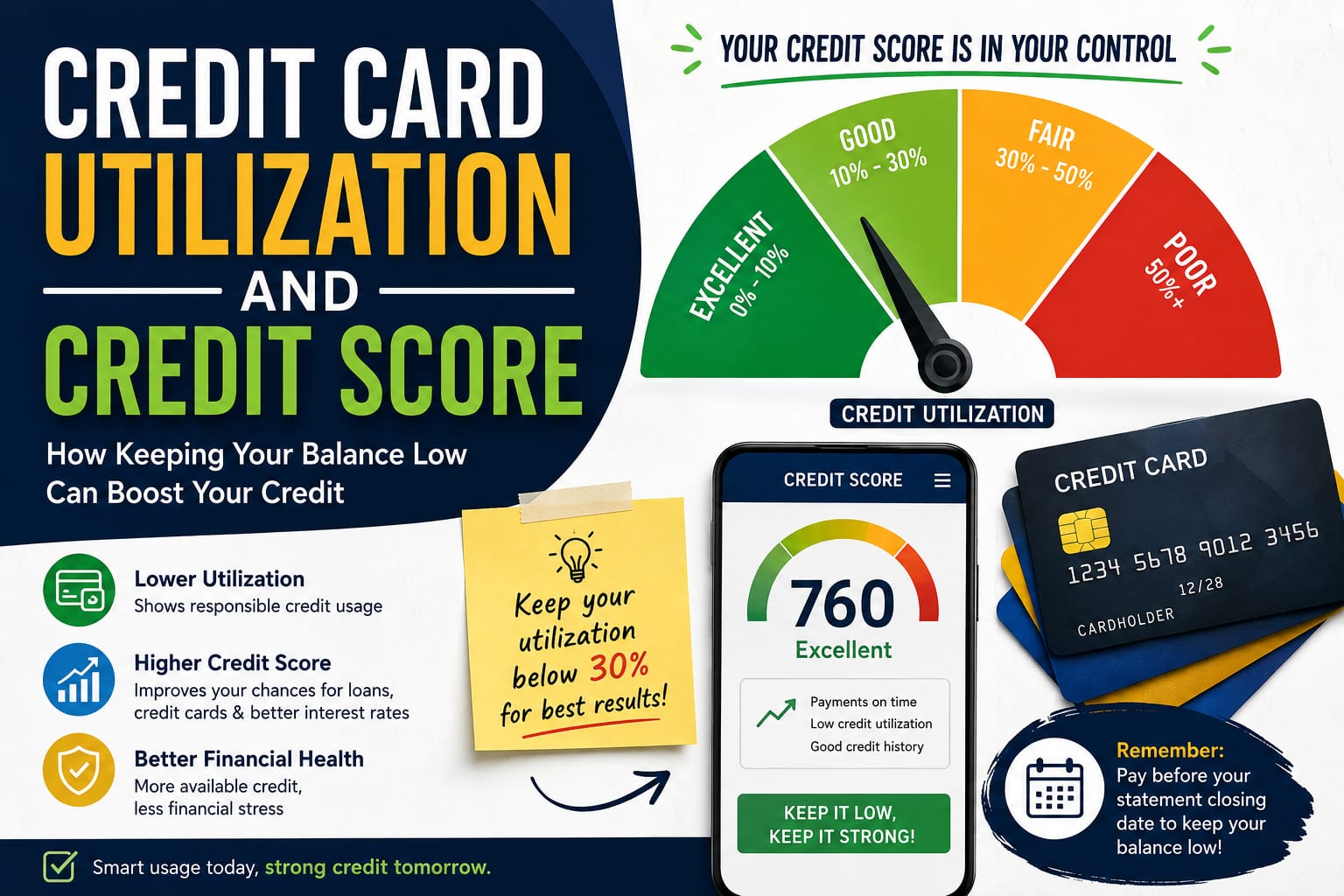
A general guideline looks like this:
| Utilization | Impact |
|---|---|
| Under 10% | Usually excellent |
| 10%–30% | Generally considered healthy |
| 30%–50% | Can begin lowering your score |
| Over 50% | Often viewed as risky |
| Near 100% | Usually has the biggest negative impact |
There's no magic number that works for everyone, but lower utilization usually looks better to lenders.
Credit Utilization Across All Cards
Something many people overlook is that utilization isn't only calculated for one card.
It also matters across all your credit cards combined.
Imagine this situation:
Card A
- Limit: $5,000
- Balance: $500
Card B
- Limit: $5,000
- Balance: $4,500
Overall utilization:
Total balance = $5,000
Total credit = $10,000
Overall utilization = 50%
Even though one card is almost maxed out, lenders can see both the individual card usage and the combined utilization.
Keeping both numbers reasonable generally produces better results.
The Biggest Mistake I Made
I used to think this:
"I'll just pay everything before the due date."
Technically, that isn't wrong.
But it ignores when the balance gets reported.
Once I started making one extra payment before my statement closed, my reported balance became much lower.
Nothing else changed.
I didn't earn more money.
I didn't open new accounts.
I simply changed the timing of one payment.
Sometimes small adjustments make a surprisingly noticeable difference.
How I Keep My Utilization Low
My routine is pretty simple now.
Step 1: Know Your Statement Closing Date
This is different from your payment due date.
Most banking apps clearly show both dates.
If you can't find it, customer support can usually tell you within a minute.
Step 2: Check Your Balance Mid-Month
I usually spend about two minutes checking my balances every week.
Most banking apps send notifications automatically, which makes this easy.
Step 3: Make an Early Payment
If I've used more than I'd like, I pay part of the balance before the statement closes.
Even paying a few hundred dollars early can significantly lower the utilization that's reported.
Step 4: Let a Small Balance Report (Optional)
Some people prefer letting a small balance report rather than reporting zero every month.
Others pay everything before the statement closes.
Different lenders may view this slightly differently, but the biggest priority is avoiding very high utilization.
Helpful Tools That Make This Easier
Several apps make tracking balances much less stressful.
Some of the ones I've found useful include:
- Banking mobile apps from your card issuer
- Credit Karma
- Experian
- myFICO
- Wallet budgeting apps
- Mint alternatives like Monarch Money
Even if you only check once a week, you'll usually spot high balances before they become a problem.
Monitor Your Credit Utilization
Use our free tools to track your credit card balances and see how your utilization is affecting your credit score.
Check Your Utilization →Real-Life Example
Let's compare two people.
Sarah
- Credit limit: $4,000
- Monthly spending: $1,200
- Pays $900 before statement closing
Reported balance: $300
Reported utilization: 7.5%
James
- Credit limit: $4,000
- Monthly spending: $1,200
- Pays after the statement closes
Reported balance: $1,200
Reported utilization: 30%
Both spent exactly the same amount.
Both paid their bills on time.
But Sarah's credit report looks stronger simply because of when she made her payment.
Does Paying Off Your Card Every Month Fix Everything?
Not necessarily.
Many people believe paying the full balance automatically guarantees the best score.
It doesn't.
Timing matters.
If the issuer reports your balance before you pay it, that larger balance may still appear on your credit report until the next reporting cycle.
That's why understanding your statement date is just as important as understanding your due date.
Should You Stop Using Your Credit Card?
Definitely not.
A credit card is meant to be used.
Using it responsibly can actually help build credit history.
The goal isn't avoiding your card.
The goal is avoiding consistently high reported balances.
Using your card for groceries, fuel, subscriptions, or travel is perfectly reasonable if you stay within a comfortable utilization range and pay on time.
Can Requesting a Higher Credit Limit Help?
Sometimes.
Suppose you have:
- Credit limit: $2,000
- Balance: $400
Your utilization is 20%.
If your issuer increases your limit to $4,000 and your spending stays the same, your utilization drops to 10%.
That's one reason some people request a credit limit increase after demonstrating responsible use.
However, only request one if you're confident you won't simply spend more because the limit increased.
A larger limit only helps if your spending habits stay under control.
Common Mistakes That Hurt Credit Scores
These are the ones I've seen most often, including a few I've made myself.
Waiting Until the Due Date
Many people never realize their balance has already been reported.
Maxing Out One Card
Even if your overall utilization isn't terrible, one nearly maxed-out card can still raise concerns.
Ignoring Small Credit Limits
A $300 purchase on a $500 card creates 60% utilization.
Smaller limits can make percentages rise quickly.
Closing Old Credit Cards Too Soon
Closing a card reduces your total available credit, which can increase your utilization overnight.
Unless there's a strong reason to close it, keeping older accounts open may benefit your overall credit profile.
Only Checking Your Credit Once a Year
Mistakes happen.
Unexpected balances, reporting errors, or fraudulent activity are much easier to catch when you monitor your credit regularly.
What If Your Utilization Is Already High?
Don't panic.
Credit utilization is one of the more flexible parts of your credit score because it changes whenever new information is reported.
Here's a practical approach:
- Pay down as much of the balance as you comfortably can.
- Avoid adding large new purchases.
- Make an extra payment before your next statement closes.
- Continue paying on time.
- Keep monitoring your utilization each month.
Many people notice improvement after updated balances are reported, although everyone's credit profile is different.
Frequently Asked Questions
What is a good credit card utilization rate?
Generally, keeping your utilization below 30% is considered healthy, and below 10% is often viewed as excellent. Lower utilization typically looks better to lenders.
Does utilization affect my credit score every month?
Yes. Since your credit card company typically reports your balance monthly, your utilization can change your score each time new information is reported.
Can I have 0% utilization and still build credit?
Yes. Using your card and paying it off regularly still shows responsible credit management. Some lenders may prefer seeing a small balance, but avoiding high utilization is the most important factor.
Does paying twice a month help with utilization?
Yes. Making a payment before your statement closing date can lower the balance that gets reported, which may reduce your utilization.
The Lesson I Wish I'd Learned Earlier
Looking back, I spent far too much time worrying about complicated credit strategies while overlooking one of the simplest habits.
Credit utilization isn't about avoiding credit cards.
It's about showing that you can manage available credit without depending heavily on it.
Once I started paying attention to statement dates, making occasional early payments, and keeping my utilization comfortably low, managing my credit became much less confusing.
If you're working toward a better credit score, applying for a mortgage, qualifying for an auto loan, or simply building healthier financial habits, this is one area that's worth checking every month.
It takes only a few minutes, costs nothing, and can have a meaningful impact over time. More importantly, it's a habit that's easy to maintain once it becomes part of your routine.
Related Articles
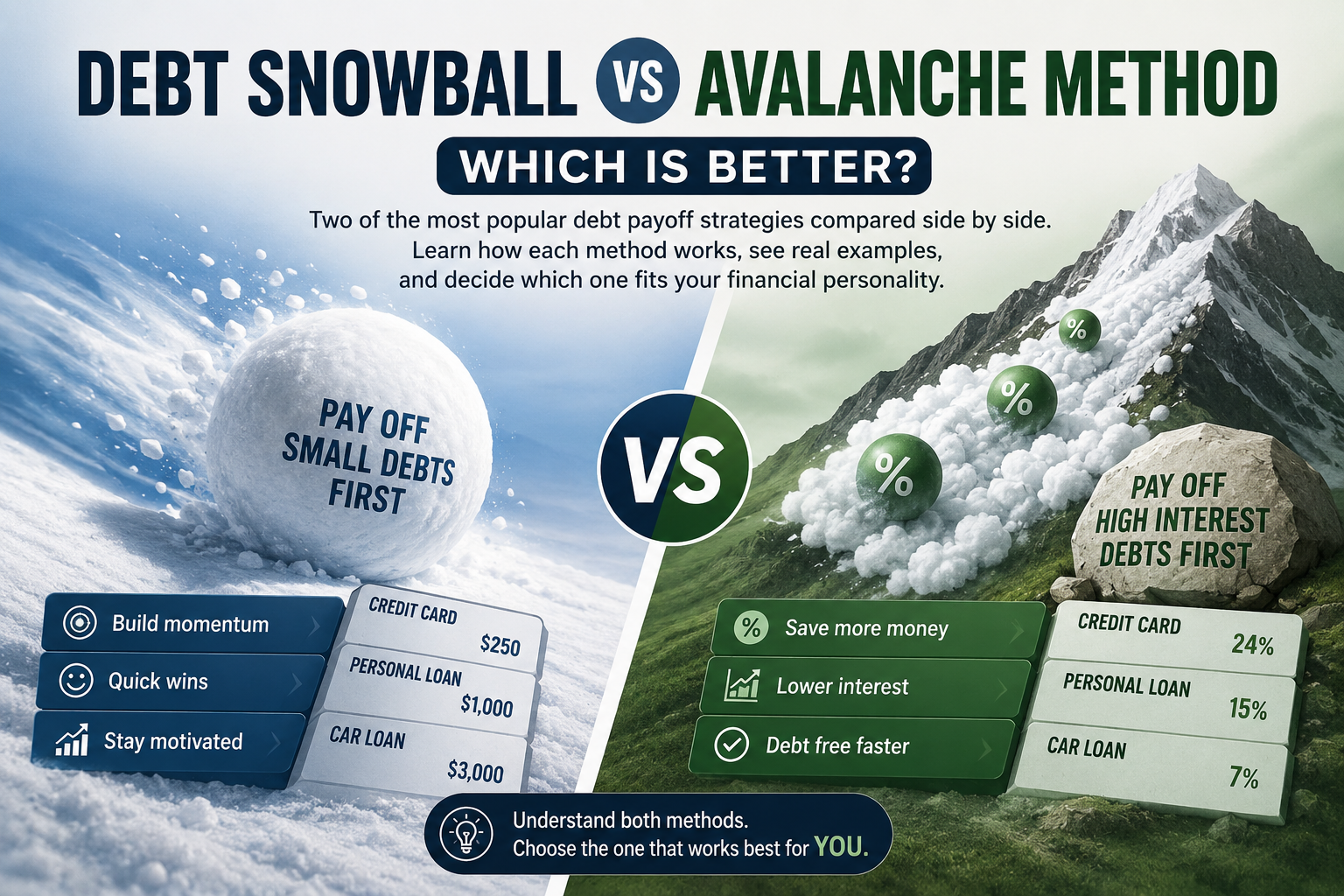
Debt Snowball vs Avalanche Method: Which Is Better?
Two of the most popular debt payoff strategies compared side by side. Learn how each method works and decide which one fits your financial personality.
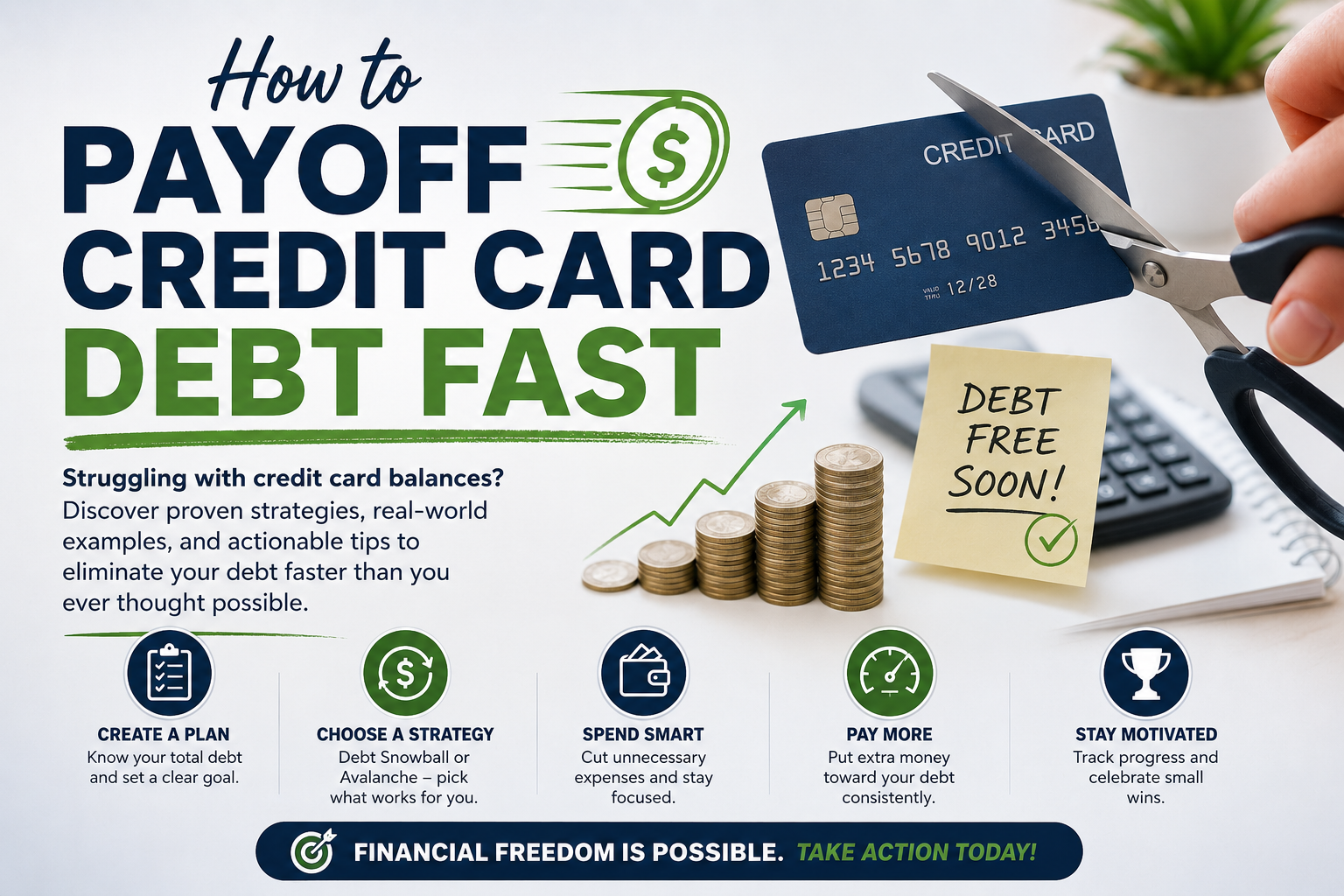
How to Pay Off Credit Card Debt Fast
Discover proven strategies to eliminate your credit card debt quickly and save thousands in interest.